Understanding Water Damage Restoration in North Vancouver
In Vancouver, the threat of water damage is an ever-present reality, exacerbated by seasonal rains, aging infrastructure, and coastal humidity. This makes water damage restoration not just a reactive measure but a proactive necessity for homeowners and businesses alike. Water Damage Restoration North Vancouver has become a crucial service, ensuring that properties affected by water loss can be restored quickly and effectively. Prompt restoration preserves not only the structural integrity of buildings but also the health of the inhabitants.
What is Water Damage Restoration?
Water damage restoration is the process of repairing and restoring a property that has suffered damage due to water intrusion. This can encompass a range of activities, from water extraction and drying to the repair and replacement of structural elements. The primary goal is to return the property to its pre-damage condition while preventing further complications such as mold growth and structural weakening. Restoration professionals employ a series of techniques and equipment to mitigate water damage, ensuring thorough and effective restoration.
Why is Immediate Restoration Essential?
Addressing water damage swiftly is crucial for several reasons. Firstly, water can cause significant structural damage when left unchecked, leading to costly repairs. Secondly, standing water can lead to mold growth within 24 to 48 hours, posing health risks to occupants. By engaging a professional restoration service immediately after water intrusion, homeowners can minimize damage, reduce repair costs, and safeguard their health. This urgency is particularly relevant in North Vancouver, where heavy rains can lead to rapid flooding.
The Role of IICRC Certification in Restoration
The Institute of Inspection, Cleaning and Restoration Certification (IICRC) sets the standard for restoration services industry-wide. An IICRC-certified restoration technician has undergone extensive training in best practices for water damage restoration, ensuring they understand the nuances of water mitigation. By hiring certified professionals, homeowners can be assured of effective techniques and reliable service, which are paramount when facing potentially devastating water-related emergencies.
Common Causes of Water Damage in North Vancouver
Seasonal Weather Impacts: Rain and Floods
North Vancouver experiences heavy rainfall, particularly during the fall and winter months. These seasonal downpours can overwhelm drainage systems, leading to flooding in homes and businesses. Properties located in flood-prone areas are especially vulnerable, as water can seep into basements and crawlspaces, causing significant damage that requires professional restoration services.
Aging Infrastructure and Plumbing Issues
Many homes in North Vancouver are older and may have outdated plumbing systems. Corroded pipes, leaks, and burst pipes from freezing temperatures can lead to unexpected water damage. Regular inspections and updates to plumbing systems are essential for preventing these issues and ensuring that any risks are identified and addressed before they result in significant damage.
Appliance Failures: Prevention and Solutions
Appliances like dishwashers, washing machines, and hot water heaters can develop leaks over time. If not addressed promptly, these leaks can cause serious water damage in the surrounding areas. Homeowners should regularly inspect their appliances and consider installing leak detection systems to catch issues early. Furthermore, many appliance manufacturers recommend periodic maintenance to prevent unexpected failures.
Identifying Early Signs of Water Damage
Physical Signs: Stains and Warping
One of the first indications of water damage can be physical signs such as discoloration, stains on ceilings, walls, and floors, or warped surfaces. Homeowners should remain vigilant about these signs, as they often suggest underlying water issues that need immediate attention. Regular inspections, especially after heavy rainfall or plumbing failures, can help identify these problems before they escalate.
Odor Indicators: Musty Smells and Mold Growth
A musty or damp smell can be a clear indicator of water damage, even if no visible signs are present. This odor may signal mold growth, which can develop hidden behind walls or under flooring. Homeowners should take any persistent odors seriously and consider engaging a professional service for a thorough inspection if these smells are detected.
Technological Tools for Detection
Modern technology has significantly advanced the ability to detect water damage before it becomes visible. Tools such as moisture meters and infrared cameras allow restoration professionals to identify hidden water damage, ensuring that all affected areas are addressed. These technologies play a crucial role in effective restoration, as they help prevent mold and additional property damage.
The Water Damage Restoration Process Explained
Initial Assessment: Understanding the Scope
Once a homeowner contacts a restoration service, the first step is an initial assessment to determine the extent of the water damage. This assessment includes identifying the source of the water intrusion, estimating the damages, and formulating a comprehensive restoration plan. Clear communication between the homeowner and the restoration team is essential during this phase to ensure all parties are aligned on the necessary steps.
Steps for Effective Water Extraction
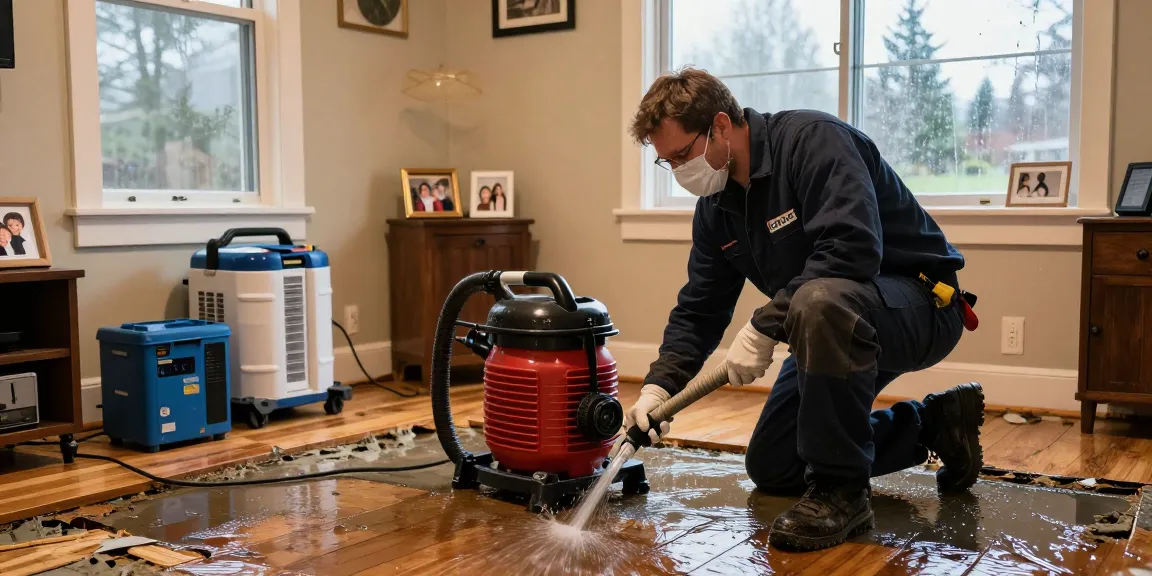
After assessing the damage, the next step involves water extraction. Using industrial-grade pumps and vacuums, restoration professionals remove standing water from the affected areas. This step is critical to prevent further damage and reduce drying time. Depending on the volume of water, this process can take anywhere from a few hours to a full day. Professional techniques ensure that the extraction is performed efficiently and effectively.
Drying Techniques and Equipment Used
Once the majority of water has been removed, drying the structure becomes the primary focus. Professionals use high-velocity air movers and dehumidifiers to facilitate rapid drying, targeting hidden moisture in walls, floors, and other affected materials. Effective drying is crucial to prevent mold growth and protect the structural integrity of the property. Regular monitoring during the drying process ensures that the environment is conducive for recovery and allows for any necessary adjustments.
Insurance and Water Damage Restoration
Understanding Coverage: What is Included?
Homeowners should familiarize themselves with their insurance policies regarding water damage. Many policies include coverage for sudden and accidental water damage, while others may exclude certain types of water damage, such as flooding due to natural disasters. Understanding what is covered can help homeowners prepare for the possibility of water damage and make informed decisions when selecting restoration services.
How to File a Claim Effectively
When water damage occurs, filing a claim with your insurance provider should be done promptly. Homeowners should document the damage with photographs and detailed notes. Additionally, engaging a certified restoration service can help streamline the claims process as these professionals often provide necessary documentation and damage assessments that can be submitted to insurance providers.
Working with Restoration Experts for Documentation
Restoration experts offer invaluable assistance in navigating the insurance process. Their documentation, which includes detailed reports and estimates of the work performed, can significantly enhance the chances of a successful claim. By providing clear and comprehensive records, restoration teams help homeowners avoid potential disputes with their insurance providers.
What is the typical response time for water damage emergencies?
In emergencies, the response time is critical. Most professional restoration services, like VR PLUS, aim to arrive within an hour of your call. Fast action minimizes damage and reduces recovery costs, demonstrating the importance of having a reliable service provider on hand.
Can all water-damaged materials be restored?
Not all materials can be restored after water damage. Porous materials like drywall and carpet often need to be replaced if they are heavily saturated. However, many structured materials can be saved with professional techniques if actions are taken promptly.
What safety precautions should I take during a water damage event?
During a water damage event, safety should be a priority. Avoiding electrical sources and contacting professionals to handle hazardous water, such as sewage, is crucial. Homeowners should also wear protective gear when assessing damage, as mold and contaminated water can pose health risks.
How can I prevent future water damage in my home?
Preventive measures such as regular maintenance checks, ensuring proper drainage around the property, and investing in sump pumps for basements can significantly reduce the risk of future water damage. Homeowners should also familiarize themselves with the signs of water damage and be proactive in addressing any concerns.
Is professional restoration worth the cost?
Investing in professional restoration services can save homeowners significant money in the long run. Ignoring water damage can lead to expensive repairs down the line, especially with hidden mold growth and structural issues. Professional restoration ensures that damage is addressed accurately and effectively.